

Buyer's guide
How to Choose a Payment Processor in 2026: A Practical Checklist
Five factors decide what card processing really costs you, and this checklist shows how to compare quotes without falling for a low headline rate.

Research-backed guides from our editorial team to help you choose with confidence.
Five factors decide what card processing really costs you, and this checklist shows how to compare quotes without falling for a low headline rate.

Flat-rate pricing is simpler; interchange-plus is cheaper at volume. Here is the monthly card volume where the math tips in favor of switching.
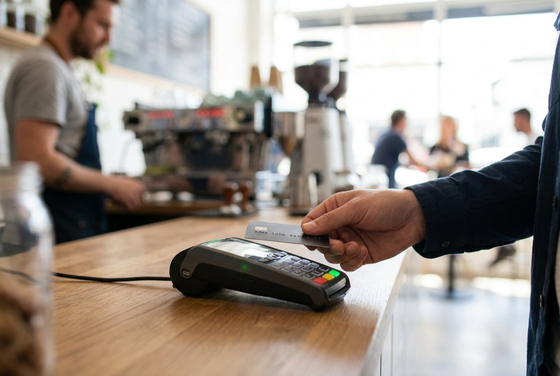
Your processing rate is three fees stacked together, and only one is negotiable — here's which, and what you can actually control.

Typical monthly ranges by policy type, the six factors that move your premium, and how to cut cost without leaving a coverage gap.

General liability is one policy; a BOP bundles three, and neither one touches the risks that most often close a business.

Underwriting comes down to five things a lender can verify: time in business, revenue, credit, existing debt, and clean paperwork.

SBA loans are the cheapest small-business money but slow and paperwork-heavy; online lenders reverse every one of those trade-offs.

The contract clauses that decide whether you can leave: bundled processing, multi-year terms, termination fees, and hardware you may not own.

The right POS depends on your business model, so match features to how you actually sell rather than buying the biggest system available.
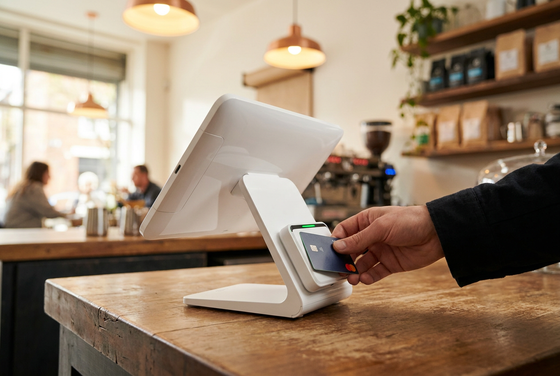
Software is the cheap part. A realistic budget for hardware, processing and the line items vendors mention quietly.

Online lenders quote prices three different ways. Here’s how to convert them into one number you can compare.

What coverage you actually need, what it should cost, and the questions to ask before you buy, without the jargon.